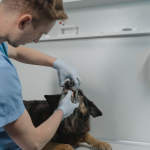

No idea why some pet parents entertain this notion that animals have plaque-resistant teeth and don’t need brushing. Did you know that at least 8 in 10 dogs aged 3 suffer from a dental disease? You have to brush their teeth twice or thrice a week to make sure they don’t suffer from an oral ailment or lose their teeth before getting old. Especially if you don’t have ample room for dental care in your pet’s insurance plan… or do you?
We’ll cover the basics in this blog. You’ll learn what’s in and out of coverage. If you want to keep your furry buddy smiling all the time, make your pet’s dental care your top priority. So, does pet insurance cover teeth cleaning? Let’s figure it out together!
Does Pet Insurance Cover Teeth Cleaning?
Pet insurance protects you from unexpected vet costs. But not every insurance plan covers dental care. Insurance plans come in different shapes & sizes. You can have:
- Accident-only plans
- Accident-and-illness plans
- Comprehensive plans
Routine teeth cleanings often land in the “preventive care” bucket. It includes teeth scaling and polishing (under anesthesia). But basic plans will skip this preventive care. The same way your personal insurance won’t cover your annual visits. Pet insurance plans may come alive when your furry buddy is suffering from kennel cough or something similar.
What’s Usually Covered?
We already explained what’s covered under usual insurance plans. Let’s discuss them further:
- Illness-Related Dental Work: If that sneaky tartar turns into gingivitis, abscesses, extractions, or something similar, insurance plans may reimburse 70% to 90% of the cost of your dog’s dental care.
- Accidents: Suppose a dog chews a rock and cracks a tooth. Most accident plans do offer coverage for such horrible incidents.
- Wellness Riders: If you add $10 to $30 a month to get your dog for dental cleanings once or twice a year, you may get $200 to $400 in reimbursement.
Common Exceptions
Your veterinary pet insurance won’t cover everything. Not especially:
- If your dog has an existing condition (like bad breath from day one)
- Cosmetic tweaks (like teeth whitening or braces)
- Routine cleanings that are “elective,” since they aren’t diagnosed by a vet
- Breed-specific limitations (lucky for you, they’re becoming rarer day by day)
When Do You Need Pet Insurance That Covers Dental?
Your dog will give you signs when they need dental care. You should watch out for:
- Bad breath that clears the room
- Yellow or brown tartar visible on molars
- Drooling or pawing at their mouth
- Loose teeth, dropping their food, bleeding from gums, etc.
- Changes in their eating habits (like using one side of the mouth only)
Small breeds (like those tiny Chihuahuas), Pugs, & senior canines are especially vulnerable to the effects of dental diseases. Bacteria from a bad tooth can travel to the heart, kidney, or liver. But that’s the kind of problems Tucson-based vets can easily handle on your behalf.
So, does pet insurance cover teeth cleaning? You now know the complete answer…
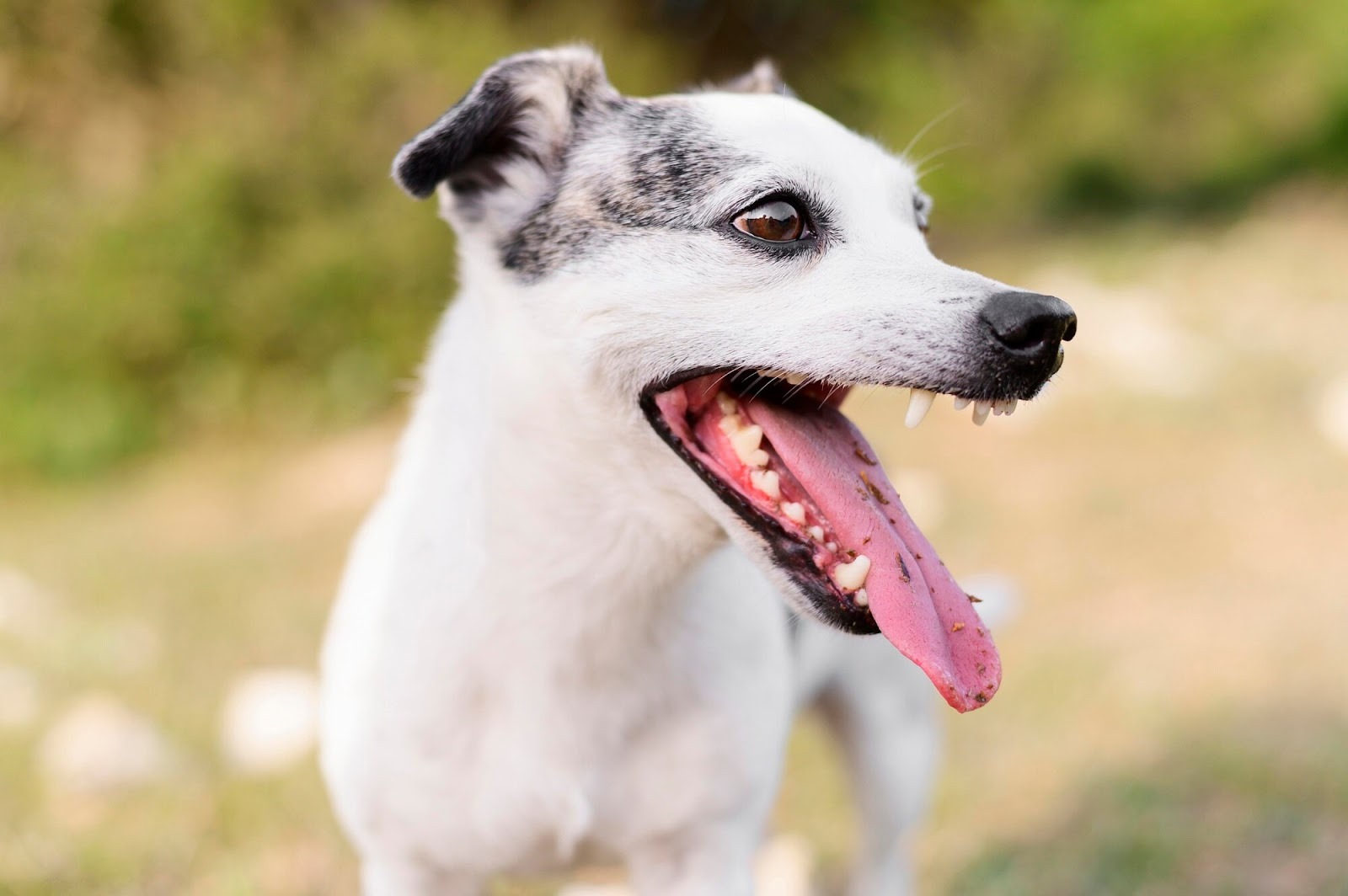
Find the Best Pet Insurance… and Dental Care in Tucson
Our Sonoran Desert can make this dental drama even worse. Low humidity means your dogs produce less saliva to rinse plaque. Dusty winds carry grit that makes things worse.
Professional cleanings remove hidden calculus under your canine’s gumline. We at Acoma provide safe anesthesia, pain-free polishing, and fluoride seals for ample dental protection. If you pair it with at-home brushing and dental chews, that’ll produce even better results.
Taking care of your dog’s dental health requires following these simple & effortless steps:
- Brush daily with pet-safe paste (chicken or peanut flavors rock!)
- Use VOHC-approved treats and water additives to fight plaque
- Make sure that annual examinations are catching deep-lying issues
- Feed kibble to your canines over wet food for that natural scrubbing effect
So, does pet insurance cover teeth cleaning? Book your dental checkup today or pop in for a free insurance chat. Let’s keep tails wagging and grins gleaming. Your pet’s health is our top priority. Talk to your insurance providers and consult with experienced vets to figure out what’s best for the goodest boy in the whole wide world!