
Zoonotic diseases have become quite common due to the illegal wildlife trade in the world. But what are zoonotic diseases, and how dangerous are they for human beings? Surveys show us that more than 200 such diseases exist in the world. We call them “zoonotic” since animals can transmit them to us, such as rabies, Ebola, Lyme disease, influenza, and… the belle of the ball, COVID-19. Salmonella spreads from pet poop, for instance.
Not all zoonotic bugs are life-threatening; some of them upset your stomach, as if it’s a case of bad tacos. But zoonotic threats also include plague or leptospirosis; the Black Death that decimated Europe was also zoonotic in origin. That’s why we at Acoma want you to figure out how to avoid these terrible ailments. These simple tips will help you a lot…
Keep Up with Vet Checkups & Vaccinations
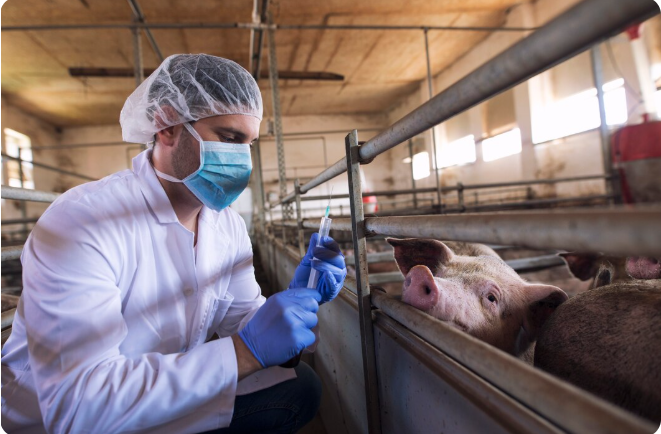
Have you ever wondered why your cat is shivering like it saw the Devil? You should bring your pets up to speed with their vaccinations. Regular examinations will spot easy signs of zoonotic diseases in your pets, like ticks that carry Lyme disease. Rabies shots for dogs & cats are mandatory in Arizona, since they prevent a fatal disease from spreading.
Monthly preventives block fleas, heartworms, and worms like toxoplasmosis from cat litter
Practice Smart Hygiene Around Pets
Handwashing works wonders, as Semmelweis discovered 200 years ago. You should scrub your hands with soap for 20 seconds after petting your dog. Scooping litter or gardening in an area where your cat prowls? You should wash your hands as well. You should also:
- Make sure your pets don’t lick open wounds
- If you have an outside dog, skip face kisses to avoid catching a zoonotic disease
- Rinse your pet’s muddy paws before letting it snuggle on your couch
- Teach your kids to wash themselves after playing with their pets
- Don’t let pet-loving children have their snacks if their hands are not clean
Control Fleas, Ticks, and Mosquitoes
Tiny pests like chiggers are major zoonotic carriers and can spread a zoonotic illness when you least expect them to. Fleas can spread tapeworms, while ticks will bring spotted fever or ehrlichiosis. Mosquitoes can worsen heartworms. So, this is what you should do:
- Use vet-approved collars or drops
- Vacuum your house daily
- Wash your bedding in hot water
- Check your pet’s fur closely for ticks
- Pull ticks with tweezers instead of squeezing them
Cook Meat Thoroughly and Clean Up Poop Fast
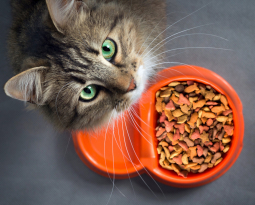
Zoonotic diseases also spread from raw animal diets. Your pet’s stool/saliva may contain trace amounts of Listeria or E. coli. That’s why you should choose cooked kibble or canned tuna for your pets. Don’t feed them anything raw. You also need to scoop their poop quickly after defecation; their feces may contain leptospirosis or Giardia. Hitting your cat’s litter box twice daily is equally important, and you should wear gloves if your cat is pregnant.
Pregnant women can also catch toxoplasmosis from cats, which is a rare disease.
Limit Wildlife Contact to Curb Zoonotic Diseases
As the Nipah Virus outbreak in India is spooking the whole world, the best way to curb these ailments is by limiting your wildlife contact (if you ever had any to begin with). So, don’t touch stray animals, raccoons, rodents, or bats (something that can trigger a worldwide pandemic in certain cases). Make sure your dogs are on a leash so they won’t meet strays either.
If you see your pet roaming around, and it appears to be lethargic, drooling, aggressive, or biting anything close by, you should head to us at Acoma. We can do a few tests to figure out what’s bugging your favorite animal. Book your appointment with Acoma right away.