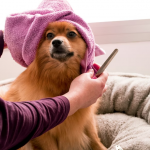

Did you know that 45.5% of dogs have faced an injury in their lives? That’s why dog wound care is so important. If your dog loves hiking the trails and playing at the park, they may face tiny cuts & scrapes during their explorative journey. We at Acoma Animal Clinic have seen many Tucson pets come in with minor wounds that could have healed faster with the right home care. Want to learn some quick & practical dog wound treatment tips? Keep reading this blog…
Stay Calm and Assess the Injury
Has your canine broken their dewclaw or injured themselves in another way? The primary step in dog wound care is to stay calm so your dog feels safe. You need to gently restrain your pup if they seem to be anxious or in pain, and then examine the area in a quiet, well‑lit space. Look for depth, bleeding, telltale signs of a foreign object like a thorn, and whether the wound is dirty or contaminated. If they keep bleeding, you should immediately take them to a vet.
Clean the Wound with Gentle Solutions
If you determine that your dog’s injury is minor, the next step is to clean it. You should only use lukewarm water and a mild pet-safe antiseptic solution to clean up the wound. Make sure you start by gently rinsing away all the dirt, grime, grass, and debris from the wounded area (but do not rub that place too hard or try reopening the wound). Don’t use harsh chemicals either. You then have to pat it dry with a clean and soft cloth (don’t touch the wound with unclean hands).
In case your dog has something sinister like tetanus, you should go to a local animal clinic and ask for a professional vet. They will know how to clean a dog wound without making it worse.
Apply a Thin Layer of Prescribed Ointment
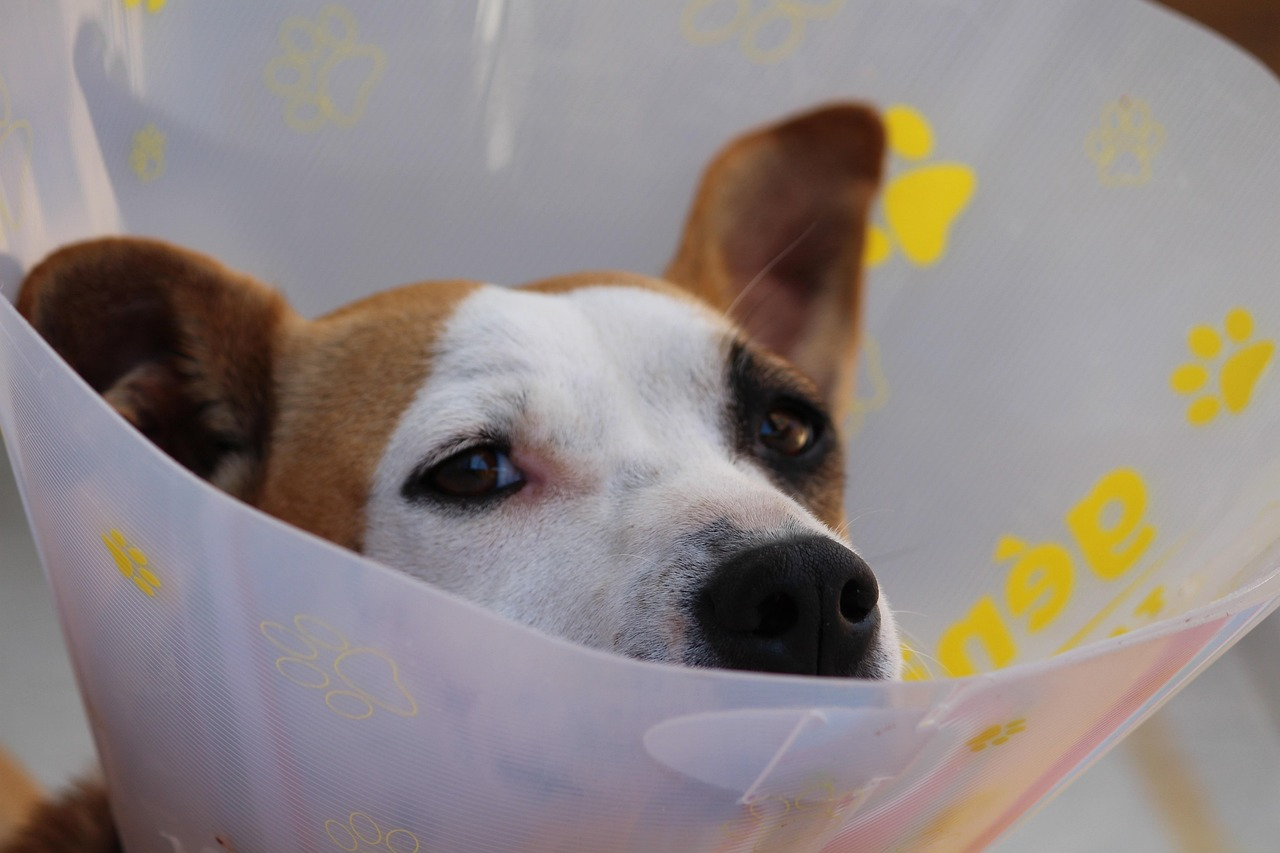
If a vet has prescribed a topical antibiotic ointment or cream for your dog, you can apply a thin layer to the cleaned wound. This cream will protect this area from bacteria. It’ll keep the tissue in a moist condition as well, supporting faster healing. But you should avoid using products meant for human beings (unless your vet has approved them). Another important dog wound care tidbit is using a light bandage or protective collar to stop your dog from licking their wound.
Keep the Injured Area Clean & Dry
After treatment, the wound should stay as clean and dry as possible. Don’t let your canine run through muddy areas, swim, or lie on dirty surfaces until the skin has started to heal. If your dog enjoys hiking or playing in the desert, you must limit rough activity for a few days and check the wound daily for swelling, redness, or discharge. If the area becomes more painful, swollen, or starts to smell, those can be signs of infection, and your pet should be seen by a veterinarian.
Also, only use a vet-approved ointment for dog wounds during the entire healing process.
When You Need Professional Dog Wound Care
Most small scrapes & minor cuts improve within a few days. You just need to take good care of these injuries. However, in some situations, you can’t bank on home care alone; you have to go to an animal clinic in your city to ensure your dog’s well-being if they show these signs:
- Behavioral changes, lethargy, fever, or appetite loss after an injury
- Deep or gaming wounds
- Wounds that won’t stop bleeding after you apply gentle pressure
- Wounds near the dog’s eyes, mouth, genitals, etc.
- Signs of infection, such as increasing redness, pus, or foul odor
If your pup has a minor wound and you are unsure how to care for it, our team at Acoma Animal Clinic is happy to guide you. We can help you decide whether your dog needs an in‑clinic visit or if simple home care is enough. With the right care and a watchful eye, many small wounds heal quickly, so your dog can get back to exploring Tucson’s trails and parks with you.