

You may have heard that dogs kiss and cats purr. But why do animals behave the way they do, and what happens when an animal starts to behave “abnormally?” Every pet owner wishes their dog/cat could talk (imagine being friends with your very own Brian from Family Guy). We watch our furry companions closely. We try to decipher every tail wag, ear twitch, hiss, whimper, etc. However, in the end, we’re left hunting for hidden signs just to figure out what our pet is saying.
That’s when an expert animal behaviorist comes to our aid! Standard concepts focus on pretty simple animal behavior traits, such as waddling penguins or beavers gathering sticks. However, real-world pet behavior can be far more complex and troubling. Let’s see what you should truly be worried about your pet’s behavior, and book an appointment with a behavior specialist.
What is an Animal Behaviorist?
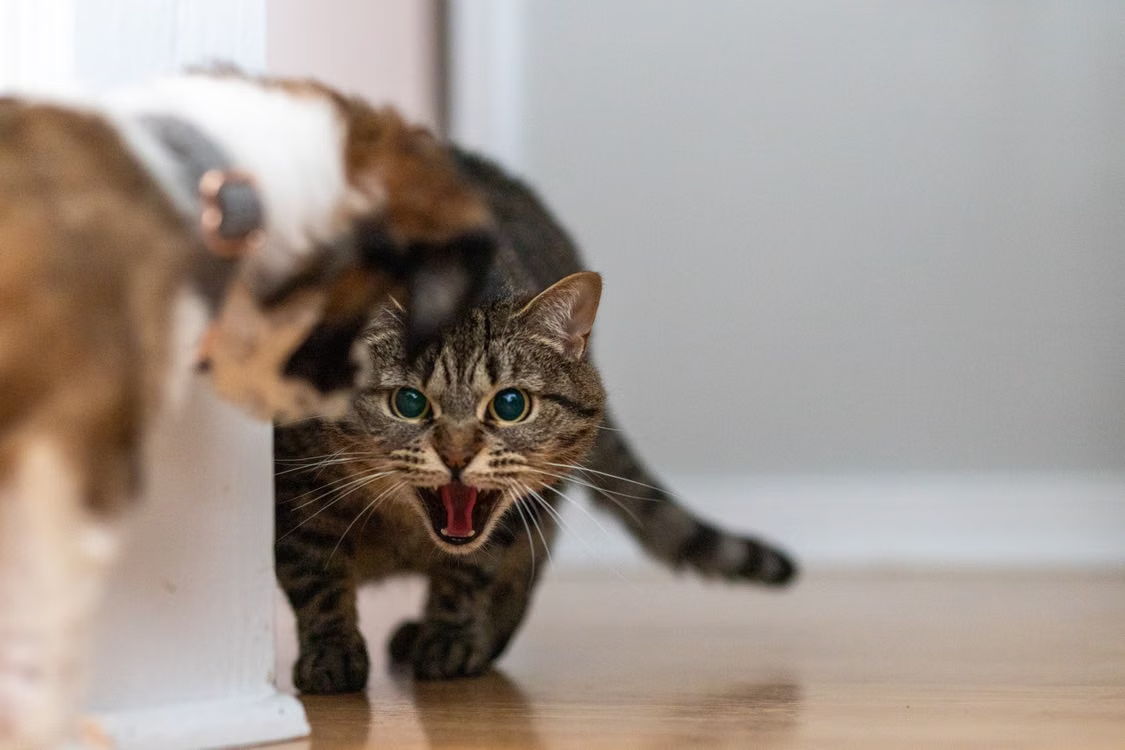
You may wonder whether your dog truly loves you. Trust us, questioning the love of one’s kids or pets is pretty common among parents. But when your usually loving-and-caring dog starts to act aggressively, that’s when you need to schedule an appointment with an expert.
An animal behavior expert focuses on the “why” behind your pet’s weird actions. You’ll usually see traditional trainers who teach pets basic obedience commands. Like “sit” and “stay.” But a behaviorist checks the psychological and emotional triggers causing abnormal behavior signs. They also look into your pet’s environmental factors, medical histories, and social patterns to create custom behavior modification plans. That’s why this specialty is quite in demand!
An animal behavior expert studies animal psychology and biology. So, the animal behaviorist salary reflects their expertise. You rely on these experts to understand why your dog doesn’t like to socialize with neighborhood pets anymore, eats kitty litter, hump everything in sight, has a phobia of something, attacks strangers, or spends the entire day mostly sleeping.
Red Flags That Mean It Is Time to Seek Professional Help
If you remember the Blue’s Clues Animal Behavior episode, you will realize what is normal for animals and what is not. Puppies chewing a show or cats scratching the furniture is fine. You just need to look into the following red flags that require an animal behaviorist’s guidance:
- Unprovoked aggression in a normally sweet dog (growling, snapping, biting, etc.) toward family members or other familiar people
- Severe separation anxiety (destructive behavior, constant howling, indoor accidents, or something similar)
- Extreme fear/phobias in the form of pets developing debilitating fears of thunderstorms or certain noises that compel them to hide somewhere for hours
- Compulsive behaviors (repetitive actions like chasing their tail for hours or chasing a shadow like a lunatic)
How the Process Works
When you book an appointment with an animal behaviorist, your journey begins with a very intensive consultation. They ask you detailed questions about your pet’s daily routine, exercise habits, dietary routines, and the exact context in which the problematic behavior occurs. From there, your behaviorist works directly with you to implement proper desensitization techniques and counter-conditioning methods.
That’s how your pet learns to associate their triggers with positive outcomes rather than fear, anger, regret, jealousy, or other negative emotions.
We at Acoma Animal Clinic provide comprehensive wellness exams and in-house diagnostics to rule out physical ailments before exploring psychological causes. If your pet gets a clean bill of health, we guide you on the next steps and connect you with qualified behavior experts.