
Surveys tell us that 95 million households in the United States have dogs as pets, making them the most popular choice among American pet owners. But when it comes to dog urgent care, that’s where even experienced pet parents become confused and don’t know what to do!
Accidents and sudden illnesses can happen in the blink of an eye. Whether your dog stepped on sharp glass during an evening walk, sustained a bite wound at the park, or swallowed something questionable, medical emergencies are every pet parent’s nightmare. In those high-stress moments, knowing how to administer immediate basic care and quickly locate professional help can make all the difference for your pet’s health and recovery.
If you ever find yourself facing an unexpected health crisis with your canine companion, staying calm is your best asset. Look into dog wound care tips to make sure you’re ready to safeguard your canine’s wellness if they get in an accident. Here are essential tips on handling immediate wound care and finding reliable urgent veterinary services when every minute counts.
1. Know the Difference Between Urgent Care and Emergency Care
Understanding what type of medical attention your dog needs helps you make fast, informed decisions during a crisis. Urgent care covers non-life-threatening conditions that still require same-day attention, such as minor cuts, sudden ear infections, mild limping, or persistent vomiting. Emergency care, on the other hand, is for critical, life-threatening situations like severe trauma, difficulty breathing, or unconsciousness.
Knowing which situation you are dealing with ensures you seek the right facility immediately, saving precious time when your dog needs help most. This is the first pillar of dog urgent care.
2. Assemble a Prepared Dog First Aid Kit
Before an emergency ever occurs, having the right supplies at home or in your car allows you to stabilize your pet before traveling to a clinic. A well-stocked first aid kit should always include:
- Sterile gauze pads, self-adhesive bandages, and medical tape for wrapping injuries
- Antiseptic wipes or chlorhexidine solution to cleanse minor scrapes
- Blunt-nosed scissors and tweezers for removing debris or thorns
- Saline eye wash to flush out irritants or foreign particles
- A digital thermometer, styptic powder for bleeding nails, and a soft muzzle (even gentle dogs may bite when in severe pain)
3. Practice Basic Dog Wound Care Before Transport
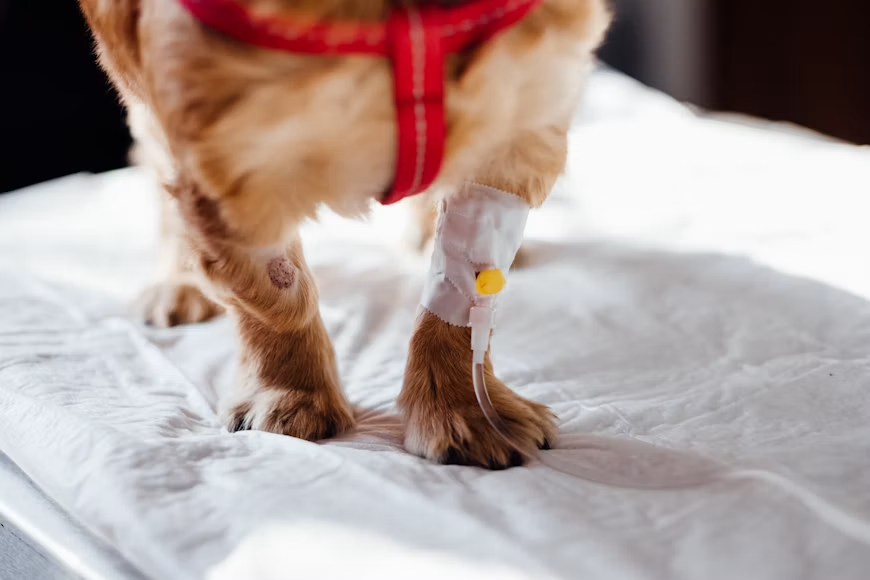
If your dog suffers a puncture, cut, or abrasion, performing proper dog wound care right away helps control bleeding and minimize the risk of severe infection. First, you should look into the best dog urgent care near me centers. Given that 10 million animals die on US roads each year, you can easily find a lot of urgent care centers. Next, follow these guidelines:
- First, keep your dog as calm as possible to prevent their heart rate from spiking, which increases blood loss.
- Apply gentle, continuous pressure to any bleeding area using a clean cloth or sterile gauze from your kit.
- If a foreign object is deeply embedded in the wound, do not pull it out yourself, as doing so could cause further hemorrhage; instead, stabilize the area and transport your pet immediately to a professional.
- If you see changes in the way your canine acts, book an appointment with a reliable, local animal behaviorist right away.
4. How to Quickly Locate Dog Urgent Care
When time is critical, searching for “canine urgent care” on your phone can quickly highlight nearby clinics. However, relying solely on a quick web search during an actual emergency can cause unnecessary delays. To ensure you are prepared before a crisis strikes:
- Save the contact information and physical address of your primary veterinarian and the nearest 24/7 emergency animal hospital in your phone.
- Call the clinic while you are on your way so the medical team can prepare an exam room or triage station before you arrive.
- Keep a physical copy of your dog’s vaccination records and medical history in your car’s glove compartment or near your first aid supplies.
5. Recognize When Immediate Professional Help Is Mandatory
Some symptoms require immediate veterinary intervention regardless of the time of day. Seek professional care right away if your dog exhibits any of the following signs:
- Uncontrolled bleeding that does not stop after several minutes of direct pressure
- Inability to stand, sudden collapse, or seizures
- Swollen, hard abdomen combined with unproductive retching (potential sign of bloat)
- Ingestion of known toxins, such as chocolate, rodent poison, or human medication
Being prepared for the unexpected is one of the greatest gifts you can give your pet. Having a well-stocked first aid kit and knowing where to turn during an emergency gives you peace of mind as a pet parent. That’s how you excel at dog urgent care.
If you are in Tucson and need guidance on urgent care, wound treatment, or routine medical needs, our team at Acoma Animal Clinic is here to help. Reach out to us today or visit our website to learn more about our comprehensive veterinary services for your beloved pets!