

Watching your little pup turn into a senior dog is a tender, bittersweet journey. That playful, fluffy little thing who once sprinted across the yard may now move a little slower. They may sleep a little longer and appreciate a quiet spot in the shade. You might wonder how to take care of your senior dog at this point. We’ll share some important dog care tips in this blog.
Yes, graying muzzles bring an extra touch of sweetness in your life, but aging dogs experience a lot of changes in their physical/mental health. Our simple & practical tips will help you make sure that your senior dog stays happy, mobile, comfortable, and cherished during their golden years. So, if you notice how your pup is slowing down recently, no reason to panic! Aging is a natural process. A few adjustments to your home routine will make things better.
Here are 5 essential dog care tips to keep your senior dog thriving at home.
1. Schedule Biannual Dog Care Exams
Data tells us that an average dog’s lifespan is 12.69 years. But certain dog breeds tend to live even longer. Adult dogs have to visit the clinic annually. Senior dogs, on the other hand, can benefit a lot from biannual wellness checks; i.e., you should bring them to see their vet twice a year. Since dogs age faster than humans, chronic health conditions develop quickly in older pets. Regular exams spot early signs of arthritis, heart disease, kidney issues, diabetes, etc.
2. Modify Your Home for Easy Mobility
One of the pillars of dog care for senior pets is to modify your home for easy mobility. Senior dogs experience arthritis and joint stiffness. That’s why you should make some simple changes & adjustments to your home. This means placing non-slip rugs or mats over hardwood or tile floors to prevent slipping. Buy an orthopedic foam bed that supports their aching joints and relieves their pressure points. Set up pet ramps or small steps near sofas to let your dog cuddle easily. Don’t forget to elevate their food/water bowls slightly to avoid neck straining.
3. Focus on Balanced Nutrition and Weight Management
Aging canines suffer from a slow metabolism. It makes them less active and energetic. Extra weight also puts a lot of unnecessary stress on their aging joints, heart, lungs, and other organs. That’s why you should look into a specialized senior canine diet to offer high-quality, digestible protein to your pet. Keep an eye on their calorie intake. You can also find some senior canine formulas that contain joint-supporting supplements like glucosamine and chondroitin.
4. Ditch Harsh Training Aversives and Focus on Gentle Care
Dogs are similar to humans in many ways, but some of these similarities can be pretty dark. Aged dogs do suffer from cognitive decline; they may even develop canine dementia. Senior canines can lose their hearing or go partially blind. We’ve seen some pet owners who assume dogs can’t decline cognitively and attribute their pet’s slow responses to stubbornness. Using harsh training tools like a dog care shock collar can actually worsen your aged dog’s already in-decline mental health. That’s why you should consider these suggestions instead:
- Be patient with your senior canine.
- Use gentle guidance and positive reinforcement to make them more responsive.
- If your old pal starts having accidents or seems confused, treat them with empathy and compassion.
- Learn about the telltale signs of canine cognitive dysfunction to better understand your dog’s behavior.
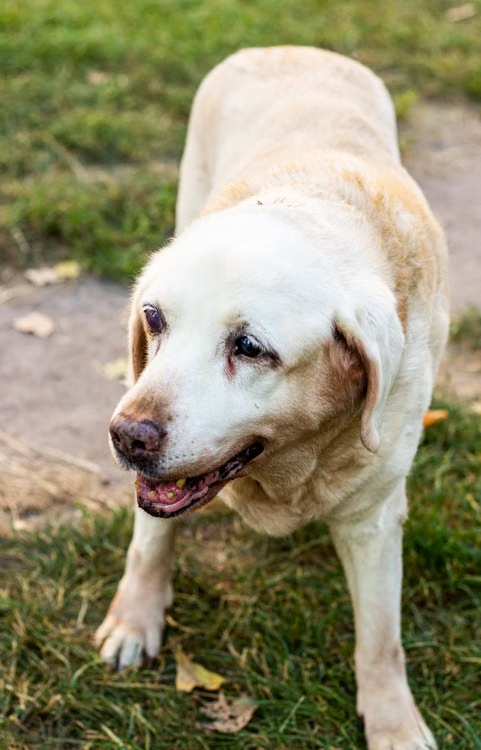
5. Keep Up Gentle Exercise and Mental Stimulation
Even if your dog isn’t capable of running long distances anymore, they still have to remain physically active. Exercise helps them maintain muscle mass and keep their joints flexible. You should opt for shorter, gentle strolls at a relaxed pace. No need for high-intensity games of fetch anymore! Keep their brain active as well with soft puzzle toys, slow scent-walks, simple indoor enrichment activities, etc. Make sure they have received all their vaccinations, too.
Providing dog care to an aging canine can be a very rewarding part of pet parenthood. You should look into thoughtful home modifications, gentle routines, consistent veterinary attention, and general wellness techniques to make your aged dog’s golden years peaceful & comfortable. If you are located in Tucson and have questions about senior dog care, we’re here to help. Call us today or visit our website to schedule a senior wellness exam for your aging canine!