

When you imagine taking care of your dog or cat, routine feeding and outdoor exercise come to your mind first. But oral health is just as important to keep your household pet healthy & happy. Dental ailments happen to be some of the most common health problems among pets today (8 out of 10 dogs aged less than 3 years have dental illness). But it’s sad to see that many parents assume that their pets take care of their oral health on their own with no supervision required.
Many popular myths surround animal oral hygiene. That’s why pet owners tend to delay crucial treatments until their furry little companions are in visible pain. Just like we debunked some of the most prevalent myths regarding feline fangs, we’ll do the same about pet dental care in this article. Follow these suggestions and keep your canine friend smiling for many years to come.
Myth 1: Bad Breath in Pets Is Just Normal
If your dog’s breath stinks and you think it’s just normal because they are an animal, you’re dead wrong. It’s one of those major red flags you should never ignore. Your pet’s breath can, of course, not smell like minty mouthwash all the time. But persistent bad breath means their oral health is declining. This foul odor may stem from the buildup of bacteria in the mouth of your dog. This bacteria forms plaque. It hardens into tartar in the end. These bacteria also lead to the inflammation of your canine’s gums. We call it gingivitis. So, pet dental care requires that if you notice a strong, unpleasant smell coming from your dog’s mouth, get them evaluated.
Myth 2: Dry Food and Hard Kibble Keep Teeth Clean Automatically
A long-standing belief among pet parents is that feeding dry kibble gives your dog’s teeth enough abrasive action to keep them clean. Yes, some dental diets are made for the core purpose of scraping away all the plaque. But standard commercial kibble doesn’t give you enough cleaning power. In fact, most pets simply swallow the kibble whole or crumble it quickly without any major scraping action against the tooth surface. Expecting standard dry food to clean your dog’s teeth is like hoping that crunchy cereal will replace brushing your own teeth.
Myth 3: Anaesthesia-Free Cleanings Are the Safest Option
Non-anaesthetic dental cleaning has become quite popular recently. Because pet parents feel it is a safer option for their darling puppies. But this option doesn’t provide you with the best teeth cleaning for dogs. Skipping anesthesia may sound appealing to you. But this process can only scrape the visible tartar off the surface of the teeth. Actual dental health means you have to clean a dog’s teeth beneath their gum line to get rid of all the harmful bacteria. That’s why even PetMD is of the opinion that anesthesia-free treatments are, in essence, merely cosmetic.
Myth 4: Pet Dental Care Is Only Cosmetic
If you have already read our dental care tips for cats, consider the ones for dogs. Some pet owners think that dental care in dogs is simply cosmetic; they assume that clean teeth are just for looks in dogs. In reality, untreated oral disease affects far more than just the mouth. Bacteria from severe gum disease can enter your canine’s bloodstream and damage their organs. Oral infection makes them susceptible to heart and liver diseases. When you invest in proper dental treatment for dogs, you’re basically protecting their internal organs from catastrophic failure.
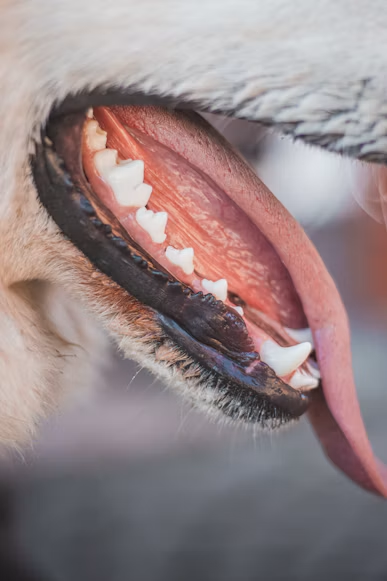
Simple Steps for Maintaining Healthy Teeth
But don’t get overwhelmed by all these myths & misconceptions. Protecting your pet’s mouth from germs and worms shouldn’t be that overwhelming! You can simply build an effective home routine with these steps described below:
- Daily Brushing: You should procure a pet-safe toothpaste and a soft-bristled brush to gently clean teeth every day or several times a week.
- Dental Chews: Make sure your pet is getting veterinary dental chews that can actively reduce plaque build-up.
- Regular Exams: Schedule routine oral exams with your local veterinary team to keep an eye on your dog’s dental well-being.
Proper oral hygiene and pet dental care are the basis of lifelong pet wellness. Once you realize the truth behind these common misconceptions, you can protect your pet from unnecessary discomfort and internal health complications. If you suspect your pet has tartar build-up, red gums, or bad breath, contact us at Acoma Animal Clinic to schedule an oral evaluation. Your furry family member will thank you for it!